AI ADOPTION & ORGANIZATIONAL TRANSFORMATION
Your AI pilots are working. Your organization isn't changing.
Tools, pilots, and training don't create an advantage on their own. Leaders do, by aligning strategy, structure, talent, and culture with how the work actually gets done. 71 Consulting helps senior leaders make that shift.
DOES ANY OF THIS SOUND FAMILIAR?
The technology is in place. The results aren't.
“We've invested in the technology. Why aren't we seeing the results?”What's usually underneath →
“We have an AI strategy. The organization isn't adopting it.”What's usually underneath →
“Leadership agrees we need to change. We don't agree on how, or on who owns it.”What's usually underneath →
“We trained everyone. Daily work hasn't changed.”What's usually underneath →
BEFORE THE MONEY IS SPENT
“Competitors are getting very different results from AI. Before we spend another dollar, we need to know our investment can pay off.”Where 71 starts upstream →
WHAT STAYING IN PILOT MODE COSTS
Organizations are investing in the same tools and getting very different results.
Budget spent, capability not built. Licenses renew, pilots end, and nothing lasting is left behind.
The gap compounds. Competitors who get adoption right keep learning faster, and the distance grows every quarter.
Trust erodes. Each initiative that restarts makes the next one harder to lead.
WHAT'S ACTUALLY GOING ON
Technology changes what's possible. Culture decides what people actually do with it. Leadership connects the two.
AI rarely stalls because of the technology. It stalls because the organization around it wasn't designed to use it. We look at four things, in this order:
1
Strategy
“What problem is actually worth solving?”
The outcome, who benefits, and whether technology is the right answer.
2
Structure
“How must work, decisions, and data operate?”
Ownership, decision rights, workflows, handoffs, and human review.
3
Talent
“Which people can AI multiply?”
The capability, judgment, and relationships the work depends on.
4
Culture
“What do people experience, and what do they do next?”
Behavior, incentives, and trust, read from what people do, not slogans.
Culture is the context from the start, and an outcome that changes as the work goes on.
WHAT WORKING WITH 71 LOOKS LIKE
We find out what's happening behind what gets reported.
Dashboards, status reports, and steering committees show one version of the organization. Before we recommend anything, we listen at every level for the other one.
STEP 1 · DISCOVERY
Understand what's really happening
What's working, what's stalled, what's unknown, and where leadership's view differs from what employees experience. Scoped and priced up front.
STEP 2
Make sense of it together
An evidence-based picture, not a standard report: gaps, risks, implications, and the questions leadership needs to answer.
STEP 3
You decide what happens next
Lead it internally, or have 71 design the organizational response, facilitate selected work, or support leaders through the change.
71 works on
- Leadership alignment and decision rights
- Operating model, roles, and workflow design
- Adoption, manager capability, and communication
- Reading whether the intended result is showing up
71 works alongside, and doesn't replace
- Your technology team and implementation partners
- AI engineering and model development
- Software implementation and systems integration
- Cloud and data architecture
WHO YOU'LL WORK WITH
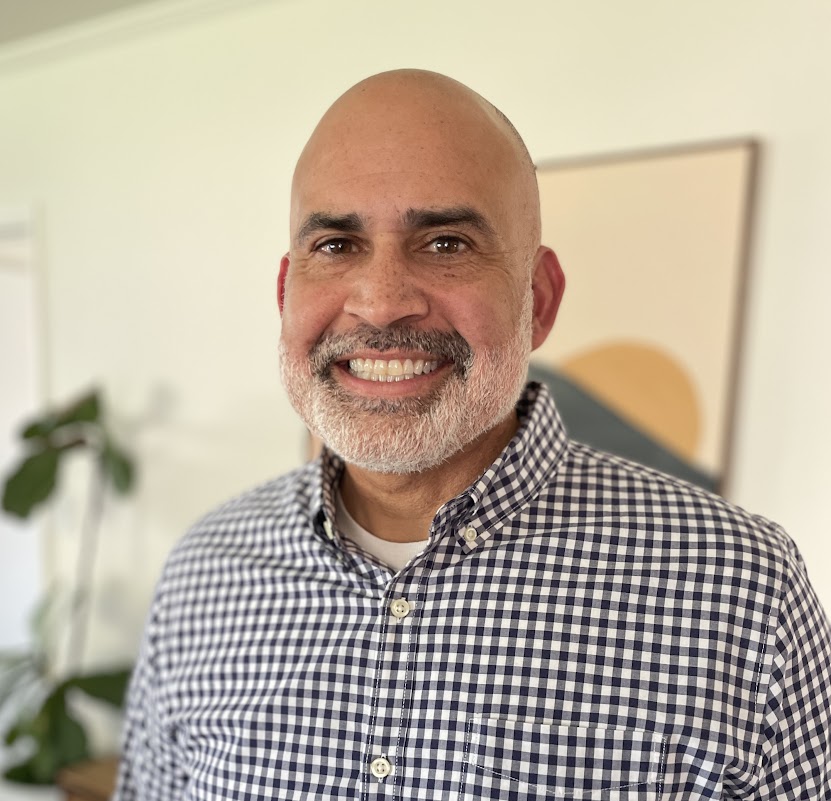
“I've spent 25 years inside large-scale transformations. The hard part is never the technology.”
71 Consulting is a senior-led practice. Shad McFadden leads every engagement, drawing on transformation work at:
FAIR QUESTIONS
What leaders usually ask first
START A CONVERSATION
What's the most important outcome you need this transformation to deliver?
A short conversation is usually enough to tell whether there's a fit. No slide deck needed, just the problem as you see it today.